
Section 1: Understanding Seeking Safety
Introduction to Seeking Safety
Seeking Safety is a widely recognized, evidence-based therapeutic model designed to help individuals recover from trauma, PTSD, and substance abuse while developing safe coping skills. At its core, it is about creating a structured, supportive framework where individuals can regain emotional stability, learn effective coping strategies, and feel safe in both internal and external environments. Unlike traditional therapy approaches that may focus heavily on exploring traumatic memories, Seeking Safety emphasizes practical coping mechanisms and immediate safety, making it accessible and effective for a wide range of people.
The philosophy of Seeking Safety is grounded in the belief that safety is the foundation of recovery. Without feeling safe—physically, emotionally, or socially—individuals often struggle to implement coping strategies, manage triggers, or rebuild their lives. By prioritizing safety, the model empowers individuals to address trauma and addictive behaviors in a structured and compassionate manner.
The Origins and Development of Seeking Safety
Seeking Safety was developed in the 1990s by Lisa M. Najavits, a prominent clinical psychologist specializing in trauma and addiction. Najavits observed a significant gap in treatment for individuals simultaneously struggling with post-traumatic stress disorder (PTSD) and substance abuse. Traditional therapy often treated these issues separately, leading to fragmented care and high relapse rates. Seeking Safety bridged this gap by integrating treatment for trauma and addiction, focusing on present-focused interventions rather than intensive exploration of past trauma.
The model was initially designed for group therapy, but its flexible framework also allows for individual therapy sessions, workshops, and even self-guided exercises. Its accessibility has contributed to its widespread adoption in mental health clinics, rehabilitation centers, and community organizations worldwide.
Key Principles of Seeking Safety
Seeking Safety is built upon several core principles that guide both therapists and participants:
- Safety as the Priority: Physical, emotional, and relational safety come first. Without a sense of safety, any coping skill or therapeutic intervention is less effective.
- Focus on the Present: While past trauma is acknowledged, the emphasis is on current coping and future-oriented strategies.
- Integrated Treatment: Trauma and substance abuse are addressed simultaneously rather than in isolation.
- Empowerment Through Choice: Individuals are encouraged to make decisions about their recovery and practice autonomy.
- Flexible and Practical: The model includes structured exercises, educational content, and coping strategies that can be adapted to various populations.
- Commitment to Self-Respect and Honesty: Participants learn to acknowledge their experiences, avoid self-blame, and practice self-compassion.
These principles are foundational to helping participants develop safe coping skills, a core component of the Seeking Safety approach.
Target Populations for Seeking Safety
Seeking Safety is effective for diverse groups of people, particularly those at the intersection of trauma and substance use. Typical populations include:
- Individuals with PTSD: Survivors of physical, emotional, or sexual trauma who experience flashbacks, hypervigilance, and emotional dysregulation.
- People with Substance Use Disorders: Individuals whose addiction may have roots in trauma, or whose substance use exacerbates emotional instability.
- Survivors of Domestic Violence or Abuse: Those needing structured support to regain safety and rebuild trust.
- Youth and Adolescents: Programs can be adapted to provide trauma-informed coping skills for young people.
- General Mental Health Populations: Even without trauma or addiction, Seeking Safety’s emphasis on safe coping skills can benefit individuals managing anxiety, depression, or stress.
The model’s flexibility and evidence-based approach allow practitioners to tailor it to various needs, ensuring relevance and accessibility.
Evidence-Based Effectiveness
Research consistently shows that Seeking Safety is an effective intervention for both trauma and substance abuse. Key findings include:
- Reduced PTSD Symptoms: Participants report fewer flashbacks, reduced hyperarousal, and improved emotional regulation.
- Lower Substance Use: Integrating coping skills helps individuals resist urges to self-medicate, leading to longer-term sobriety.
- Enhanced Coping Skills: Individuals develop practical tools for managing stress, anxiety, and interpersonal challenges.
- Improved Emotional Awareness: Seeking Safety helps participants recognize triggers, understand emotional responses, and practice self-soothing techniques.
- Increased Retention in Treatment: The structured, present-focused approach makes therapy less overwhelming and more sustainable.
Studies published in reputable journals, including Journal of Substance Abuse Treatment and Psychological Trauma: Theory, Research, Practice, and Policy, confirm the model’s efficacy. This strong evidence base contributes to its popularity among clinicians and mental health organizations worldwide.
Understanding Safe Coping Skills Within Seeking Safety
At the heart of Seeking Safety is the development of safe coping skills. Coping skills are the tools individuals use to manage stress, emotional pain, and challenging situations. In the context of Seeking Safety, safe coping skills are those that do not cause harm—physically, emotionally, or socially. For instance:
- Unsafe coping: Substance use, self-harm, aggression, or avoidance.
- Safe coping: Mindfulness, grounding exercises, breathing techniques, journaling, seeking social support, and assertive communication.
The emphasis on safe coping skills is essential because trauma and substance use often teach maladaptive coping patterns. By learning and practicing safe strategies, individuals gradually replace harmful behaviors with healthier, sustainable alternatives.
Core Elements of Safe Coping Skills
Some of the core skills emphasized in Seeking Safety include:
- Grounding Techniques: Strategies to remain present and connected to reality during moments of distress or flashbacks.
- Emotional Awareness: Recognizing, labeling, and accepting emotions without judgment.
- Cognitive Restructuring: Challenging harmful thoughts and replacing them with constructive alternatives.
- Boundary Setting: Establishing personal limits to maintain safety in relationships and environments.
- Self-Care and Lifestyle Skills: Nutrition, exercise, sleep hygiene, and recreational activities that support overall well-being.
- Relapse Prevention: Identifying triggers and developing proactive plans to prevent setbacks.
These skills are practiced within a supportive therapeutic framework, ensuring participants can integrate them into their daily lives for long-term benefits.
The Role of Group vs. Individual Therapy
Seeking Safety can be delivered through group sessions, individual therapy, or a combination of both:
- Group Therapy: Provides peer support, shared experiences, and a sense of community. It fosters accountability and normalizes the recovery process.
- Individual Therapy: Offers personalized attention, tailored coping strategies, and deeper exploration of personal challenges.
Both approaches focus on teaching and reinforcing safe coping skills while creating a structured environment where participants feel understood and supported.
Section 2: The Concept of Safe Coping Skills
Introduction
A critical component of the Seeking Safety model is the emphasis on safe coping skills. Coping skills are strategies and behaviors individuals use to manage stress, anxiety, emotional pain, or trauma-related triggers. However, not all coping mechanisms are healthy. Many people struggling with trauma or addiction develop maladaptive or unsafe coping strategies, such as substance use, self-harm, avoidance, or aggression. The goal of Seeking Safety is to replace these harmful behaviors with safe, effective, and sustainable coping strategies that support emotional and psychological well-being.
Understanding safe coping skills is foundational for recovery because it empowers individuals to take control of their emotions, reduce impulsive behaviors, and navigate challenges in healthy ways. These skills serve as the bridge between experiencing trauma and building a life of resilience and safety.
What Are Safe Coping Skills?
Safe coping skills are strategies or behaviors that help individuals manage stress and emotional distress without causing harm to themselves or others. Unlike unsafe coping mechanisms, which often provide temporary relief but result in long-term damage, safe coping skills prioritize self-preservation, emotional regulation, and personal growth.
Some defining characteristics of safe coping skills include:
- Non-Harmful: They do not cause physical, emotional, or relational harm.
- Sustainable: They can be practiced consistently without negative side effects.
- Accessible: They are practical and easy to implement in everyday life.
- Empowering: They foster autonomy, self-efficacy, and personal responsibility.
- Promote Emotional Regulation: They help individuals manage intense emotions safely.
In the context of Seeking Safety, learning safe coping skills is not optional—it is central to achieving emotional stability and long-term recovery.
The Importance of Safe Coping Skills in Recovery
Safe coping skills play a critical role in the recovery process for several reasons:
- Preventing Relapse: Individuals recovering from addiction or trauma may encounter triggers that provoke cravings or distress. Safe coping skills provide tools to respond effectively rather than resorting to destructive behaviors.
- Managing Emotional Overwhelm: Trauma survivors often experience intense emotions such as anger, fear, or sadness. Coping skills help regulate these feelings and prevent emotional escalation.
- Improving Mental Health: Practicing safe coping skills reduces symptoms of anxiety, depression, and PTSD over time.
- Enhancing Relationships: Coping skills like assertive communication and boundary setting improve interpersonal relationships and reduce conflict.
- Building Resilience: Over time, consistent use of safe coping strategies strengthens resilience, self-confidence, and problem-solving abilities.
Without safe coping skills, trauma and stress can lead to cycles of destructive behaviors, perpetuating emotional instability and impairing recovery.
Common Maladaptive Coping Mechanisms
Before exploring safe coping strategies, it is helpful to recognize unsafe coping mechanisms that Seeking Safety aims to replace:
- Substance Use: Using drugs or alcohol to numb emotional pain.
- Self-Harm: Engaging in behaviors like cutting, burning, or excessive risk-taking.
- Avoidance: Ignoring problems or withdrawing from social support.
- Aggression: Expressing anger in harmful ways, verbally or physically.
- Overworking or Overexercising: Using excessive activity to distract from emotional distress.
While these behaviors may provide short-term relief, they often exacerbate trauma, disrupt relationships, and hinder long-term recovery. By contrast, safe coping skills provide lasting solutions without harmful consequences.
Types of Safe Coping Skills
Safe coping skills can be grouped into several categories depending on their purpose and method:
1. Emotional Coping Skills
These skills help individuals regulate intense emotions, such as anger, sadness, or anxiety.
- Deep Breathing: Focusing on slow, deliberate breaths to calm the nervous system.
- Progressive Muscle Relaxation: Tensing and releasing muscles to reduce physical tension.
- Labeling Emotions: Naming feelings (“I feel anxious”) to gain awareness and control.
- Self-Compassion Exercises: Practicing kind, supportive self-talk instead of self-criticism.
2. Cognitive Coping Skills
These skills involve changing unhelpful thought patterns.
- Cognitive Restructuring: Identifying negative thoughts and reframing them positively.
- Mindfulness Meditation: Staying present and observing thoughts without judgment.
- Problem-Solving: Breaking challenges into manageable steps rather than feeling overwhelmed.
3. Behavioral Coping Skills
These are actionable strategies that influence behavior and lifestyle.
- Physical Exercise: Walking, yoga, or other activities to release tension.
- Journaling: Writing down thoughts and emotions to process experiences.
- Engaging in Hobbies: Creative outlets like art, music, or gardening to channel energy positively.
- Routine Building: Establishing structure and predictability to reduce stress.
4. Social Coping Skills
These skills improve interpersonal interactions and access to support.
- Seeking Social Support: Talking with friends, family, or support groups.
- Assertive Communication: Expressing needs clearly and respectfully.
- Boundary Setting: Learning to say no and protect personal space.
Each of these categories contributes to a comprehensive toolkit of safe coping skills, enabling individuals to respond effectively to life’s challenges without resorting to harmful behaviors.
Integrating Safe Coping Skills in Daily Life
Learning coping skills is only half the battle—the key to success lies in consistent practice and integration. Here’s how individuals can make safe coping skills a part of daily life:
- Start Small: Introduce one or two new skills at a time. Trying too many at once can be overwhelming.
- Practice During Low-Stress Periods: Skills are easier to learn and maintain when emotions are calm.
- Reflect on Effectiveness: Regularly assess which strategies work best for your needs.
- Use Visual Reminders: Notes, apps, or sticky notes can remind you to practice skills.
- Combine Skills: For example, journaling (behavioral) can be paired with deep breathing (emotional) for greater impact.
- Seek Guidance: Therapists or support groups can provide feedback and encouragement.
Integration ensures that safe coping skills become automatic responses, improving resilience and emotional stability over time.
FAQs: Seeking Safety Safe Coping Skills
1. What is Seeking Safety?
Answer:
Seeking Safety is an evidence-based therapeutic model designed to help individuals recover from trauma, PTSD, and substance abuse. It emphasizes practical, present-focused strategies and prioritizes physical, emotional, and relational safety. The program teaches safe coping skills to help individuals manage stress, regulate emotions, and build resilience.
2. What are safe coping skills?
Answer:
Safe coping skills are strategies or behaviors that help people manage stress, emotional distress, or trauma without causing harm to themselves or others. Examples include deep breathing, mindfulness, journaling, grounding exercises, and assertive communication. In Seeking Safety, these skills are taught systematically to replace maladaptive behaviors like substance use, aggression, or self-harm.
3. Who can benefit from Seeking Safety?
Answer:
Seeking Safety is suitable for:
- Individuals with PTSD or trauma histories
- People struggling with substance use disorders
- Survivors of abuse or domestic violence
- Adolescents and young adults needing trauma-informed coping strategies
- Anyone seeking to develop safe coping skills for stress, anxiety, or emotional challenges
4. How does Seeking Safety differ from traditional therapy?
Answer:
Unlike traditional therapy, which often explores past trauma in detail, Seeking Safety is present-focused. Its main goal is to help participants develop safe coping skills, manage triggers, and stabilize their lives. The program combines education, skill-building, and support rather than intensive trauma processing.
5. Can Seeking Safety be done individually, or is it only for groups?
Answer:
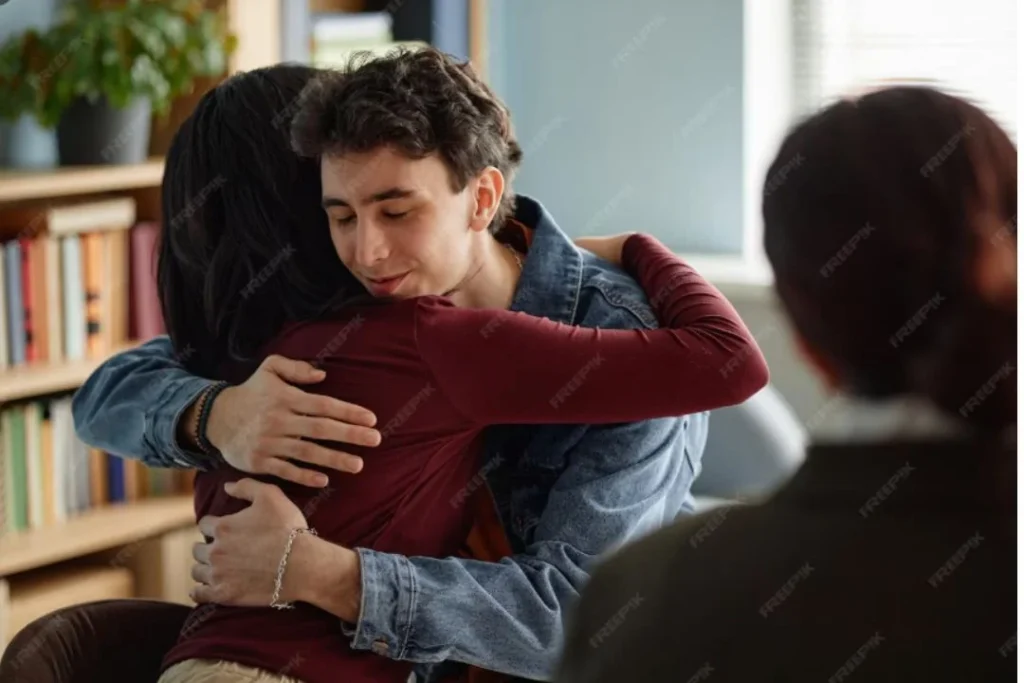
Seeking Safety is flexible and can be delivered in group therapy, individual therapy, or a combination of both. Group sessions offer peer support and shared experiences, while individual sessions allow for personalized strategies and deeper exploration of challenges. Both approaches focus on teaching safe coping skills.
Conclusion
In today’s fast-paced and often unpredictable world, trauma, stress, and emotional challenges are a reality for many individuals. The Seeking Safety model offers a practical, evidence-based approach to recovery by prioritizing safety, stability, and the development of safe coping skills. By focusing on present-day strategies rather than dwelling exclusively on past trauma, this approach empowers individuals to take control of their emotional and mental well-being.
Safe coping skills lie at the heart of this model. They provide practical, non-harmful methods for managing stress, regulating emotions, and navigating life’s challenges. Whether it is through mindfulness, grounding exercises, journaling, assertive communication, or problem-solving, these skills serve as essential tools for resilience, recovery, and long-term mental health. Unlike maladaptive behaviors such as substance use, avoidance, or self-harm, safe coping skills foster empowerment, self-awareness, and sustainable personal growth.